
Every step you take relies on a complex system of bones, ligaments, and tendons working in sync. When the foot and ankle are strong, movement feels stable and efficient. When they are not, even simple activities can place excessive strain on surrounding joints increasing your risk for injury. Here are the most effective exercises to support foot and ankle health.
Why Foot and Ankle Strength Matters for Injury Prevention
The foot and ankle act as the body’s foundation, absorbing impact and maintaining balance during movement. Weakness or poor stability in this region can contribute to common issues such as ankle sprains, plantar fasciitis, Achilles tendon irritation, and even knee or hip problems. Strengthening these structures improves alignment, enhances shock absorption, and reduces the risk of both acute injuries and chronic overuse conditions. The following exercises are designed to target key muscles, improve stability, and support better movement patterns in the foot and ankle.
- Toe Raises to Build Intrinsic Foot Strength: Toe raises are a simple yet effective way to strengthen the small muscles within the foot. Stand with your feet flat on the ground and slowly lift your toes while keeping your heels planted. Hold for a few seconds before lowering. This exercise improves muscle activation, supports the arch, and enhances overall foot control, which is essential for balance and walking mechanics.
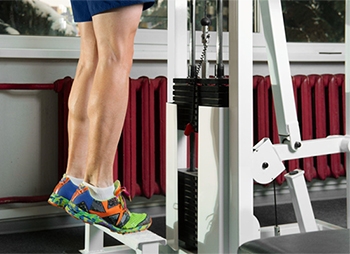
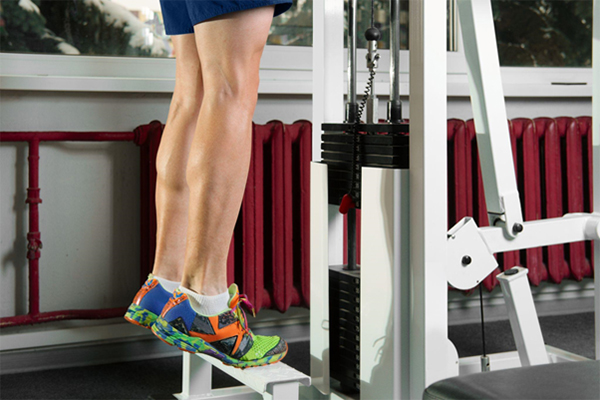
- Calf Raises for Ankle Stability and Power: Calf raises target the gastrocnemius and soleus muscles, which play a key role in ankle movement and propulsion. Stand with your feet hip-width apart and slowly rise onto the balls of your feet, then lower back down in a controlled manner. Progressing to single-leg calf raises can further improve strength and stability, particularly for athletes or active individuals.
- Ankle Circles to Improve Mobility and Control: Ankle mobility is just as important as strength. Ankle circles help maintain joint flexibility and improve coordination. While seated or lying down, lift one foot and gently rotate your ankle in a circular motion. Perform controlled movements in both directions. This exercise is especially beneficial for individuals recovering from stiffness or previous ankle injuries.
- Resistance Band Exercises for Targeted Strengthening: Using a resistance band allows for controlled strengthening of the ankle in multiple directions. Anchor the band and move your foot against resistance, upward, downward, inward, and outward. These movements target key stabilising muscles and help reduce the risk of ligament injuries, particularly in individuals prone to ankle sprains.
- Balance Training to Enhance Stability and Coordination: Balance exercises train the body to respond to uneven surfaces and sudden shifts in weight. Standing on one leg for 20–30 seconds, progressing to unstable surfaces such as a balance pad, can significantly improve proprioception. Better balance reduces the likelihood of falls and improves overall joint control during daily activities and sports.
When to Seek Professional Guidance for Foot & Ankle Injuries
While these exercises are effective for general strengthening, persistent discomfort, instability, or recurrent injuries may indicate an underlying issue. An orthopaedic specialist can assess your condition, identify contributing factors, and develop a personalised rehabilitation plan tailored to your activity level and goals.
FAQs
1. How often should I do foot and ankle strengthening exercises?
Most exercises can be performed 3–5 times per week, depending on your fitness level and any existing conditions.
2. Can these exercises help prevent ankle sprains?
Yes, improving strength, balance, and coordination can significantly reduce the risk of ankle sprains and other injuries.
3. When will I start seeing results?
With consistent practice, many people notice improved strength and stability within a few weeks.
4. Are these exercises safe if I already have foot or ankle pain?
Mild exercises may help, but persistent or worsening pain should be evaluated by a healthcare professional before continuing.
5. Do I need any equipment for these exercises?
Most exercises require little to no equipment, though resistance bands or balance pads can enhance effectiveness.
Reference Links:
- Foot and Ankle Conditioning Program - OrthoInfo
- Rehabilitation of Ankle and Foot Injuries in Athletes - PubMed Central
AUTHOR: Bryant S. Ho, MD – Board-Certified Orthopaedic Foot & Ankle Surgeon
Bryant S. Ho, MD is a board-certified orthopaedic surgeon specializing in the operative and non-operative treatment of adolescent and adult foot and ankle disorders. He provides comprehensive, patient-centered care that spans preventative strategies, conservative management, and advanced surgical intervention, with a strong focus on individualized treatment planning and functional recovery.
Credentials & Recognition
Dr. Ho completed his orthopaedic surgery residency at Northwestern Memorial Hospital in Chicago, followed by specialized foot and ankle fellowship training at the University of Rochester in New York. He is actively involved in clinical and biomechanical research, with numerous peer-reviewed publications and book chapters focused on orthopaedic foot and ankle care. His research has been presented internationally across North America, Europe, and Asia, with a particular interest in orthopaedic functional outcome scoring to enhance patient care.
Dr. Ho has been nationally recognized by Newsweek as one of America’s Best Foot and Ankle Surgeons, ranking #13 in the nation. He has also been named a Castle Connolly Top Doctor for 2023, 2024, and 2025, and recognized in the Best in Illinois – Doctor Edition for excellence in orthopaedic medicine.
Clinical Expertise
Dr. Ho treats the full spectrum of foot and ankle conditions, including arthritis, tendon ruptures, deformities, acute trauma and fractures, non-unions, cartilage lesions, and total ankle replacement. He emphasizes evidence-based care and is highly experienced in minimally invasive surgical techniques designed to reduce recovery time, improve mobility, and optimize long-term outcomes.
Medical Disclaimer: This information is for educational purposes only and does not constitute medical advice. For diagnosis and treatment recommendations, please consult with Dr. Ho or another qualified orthopaedic specialist.