
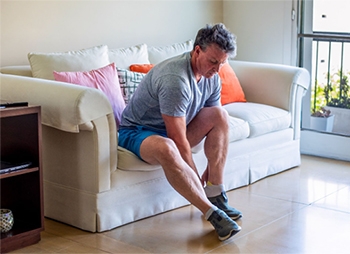
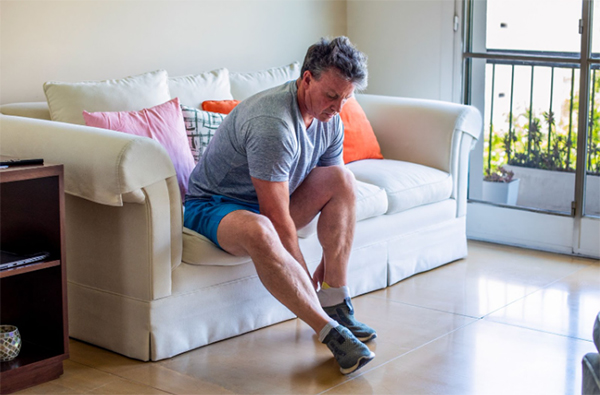
Are you an active adult over 35 who loves to stay in motion, whether it’s on the court, the trail, or in the gym? While a commitment to fitness is commendable, there’s a concerning trend emerging: an increasing number of Achilles tendon ruptures, particularly in this demographic. Let’s dive into why this vital tendon is becoming more vulnerable in active individuals after their mid-thirties.
Understanding the Achilles Tendon: A Powerhouse Under Pressure
The Achilles tendon, the thickest and strongest tendon in the human body, connects your calf muscles to your heel bone. It's crucial for essential movements like walking, running, and jumping, absorbing immense forces with every stride. Think of it as the ultimate shock absorber and propulsion system for your lower leg. However, despite its strength, it's not invincible, especially when subjected to repetitive stress and the natural aging process.
The Aging Athlete: More Than Just a Number
As we age, our tendons undergo natural degenerative changes. Blood supply to the Achilles can decrease, and the collagen fibers that give the tendon its strength and elasticity become less organized and more brittle. For the active adult over 35, this means a tendon that was once resilient now faces an increased risk of micro-tears and eventual rupture, even during activities that were once routine. The enthusiasm for activity often remains high, but the underlying physiological capacity of the tendon begins to wane.
Why Weekend Warriors Are at High Risk for Achilles Rupture
The weekend warrior phenomenon plays a significant role in the rise of Achilles ruptures. Individuals who maintain a relatively sedentary lifestyle during the week but then engage in intense, explosive sports or activities on weekends are particularly susceptible. Their tendons are not adequately conditioned for the sudden, high-impact demands placed upon them. Similarly, athletes returning to sport after a period of inactivity without proper reconditioning are at heightened risk, as their tendons have deconditioned.
Training Mistakes That Lead to Achilles Tendon Ruptures
Improper training techniques, sudden increases in training intensity or volume, and inadequate recovery can all contribute to Achilles tendon overload. Pushing too hard, too fast, without allowing the tendon sufficient time to adapt and repair, creates a recipe for disaster. This is especially true in sports requiring quick changes in direction, jumping, and forceful push-offs, such as basketball, tennis, soccer, and running. Listen to your body and respect its need for gradual progression and rest.
The Impact of Shoes and Playing Surfaces on Achilles Injuries
The type of footwear you choose and the surfaces you train on also matter. Worn-out shoes that lack proper support and cushioning can increase stress on the Achilles. Hard, unforgiving surfaces like concrete or artificial turf transmit greater impact forces through the leg, further stressing the tendon compared to softer surfaces like grass or track.
Prevention and Proactive Care: Safeguarding Your Stride
While Achilles ruptures can be devastating, there are proactive steps you can take to mitigate your risk. Prioritize proper warm-ups and cool-downs, incorporate strength training for your calf muscles, and focus on flexibility. Gradually increase your training load and don't ignore persistent calf or heel discomfort. Staying hydrated and maintaining a balanced diet also supports tendon health.
If you experience sudden, sharp pain in the back of your ankle, often described as feeling like you’ve been kicked or hear a popping sound, seek immediate medical attention. Early diagnosis is critical, as timely intervention may allow for advanced options such as Minimally Invasive Achilles Tendon Repair, which can support faster recovery and better functional outcomes. Schedule an appointment with Dr. Ho, foot and ankle specialist, to discuss your options.
AUTHOR: Bryant S. Ho, MD is board-certified in orthopedic surgery and is trained in the operative and non-operative management of adolescent and adult foot and ankle disorders. Dr. Ho places a strong emphasis on customizing his care for each patient to ensure successful outcomes. He provides all treatment options, including preventative care, conservative management, and operative intervention.