

Waking up to sharp heel pain every morning? Plantar fasciitis doesn’t always respond to stretching alone. If months of discomfort haven’t improved your condition, it may be time to explore modern solutions. In this post, we explore advanced options that address the underlying tissue damage of plantar fasciitis.
PRP Therapy for Chronic Plantar Fasciitis
For chronic cases where the fascia has thickened or developed micro-tears, regenerative medicine offers a way to stimulate the body’s own healing mechanisms. Platelet-Rich Plasma (PRP) therapy involves drawing a small sample of your own blood, concentrating the platelets in a centrifuge, and injecting them directly into the damaged area under ultrasound guidance.
Unlike corticosteroid injections, which primarily reduce inflammation, PRP delivers a high concentration of growth factors. These proteins work to repair the degenerated tissue over time. Recent clinical data suggests that while corticosteroid shots may offer faster short-term relief, PRP provides superior long-term functional improvement and pain reduction, often lasting a year or more.
How Laser Therapy Supports Plantar Fascia Healing
Another non-invasive option gaining attention in chronic plantar fasciitis care is low-level laser therapy, sometimes called cold laser therapy. This treatment delivers specific wavelengths of light energy into the affected tissue to stimulate cellular activity and circulation without generating heat or causing damage.
Laser therapy is typically performed in a series of short in-office sessions over several weeks. While results vary, many patients report a gradual reduction in morning heel pain and improved walking comfort as the tissue heals.
For individuals seeking a gentle, completely non-invasive approach, especially those not ready for injections or procedures, laser therapy can be a valuable step within a comprehensive plantar fasciitis treatment plan.
Frequently Asked Questions About Advanced Plantar Fasciitis Treatment
How long does plantar fasciitis usually last?
Most mild cases improve within a few months with stretching, supportive footwear, and activity modification. However, chronic plantar fasciitis can persist for 6–12 months or longer, especially when tissue degeneration has developed.
When should I consider treatment beyond stretching and physical therapy?
If heel pain continues after several months of consistent conservative care, advanced treatments such as PRP therapy, shockwave therapy, or minimally invasive procedures may be appropriate to address underlying tissue damage.
Is PRP therapy painful, and how long is the recovery?
PRP injections may cause temporary soreness for several days, but most patients return to light activity quickly. Improvement is gradual, often developing over weeks to months as the tissue heals.
Can plantar fasciitis come back after treatment?
Recurrence is possible, especially without supportive footwear, stretching, and weight management. Ongoing foot care and strengthening exercises help reduce the risk of future flare-ups.
Which treatment is best for me?
The most effective option depends on symptom duration, severity, lifestyle, and imaging findings. A foot and ankle specialist can evaluate your condition and recommend a personalized treatment plan.
Hear From Our Patients
Choosing the right orthopedic care is a personal decision, and hearing from others who have been in your position can be reassuring. Many patients who struggled with long-lasting heel pain share that exploring advanced, minimally invasive treatments helped them return to comfortable daily activity sooner than expected. Explore our patient testimonials and recovery stories.
Reference Links:
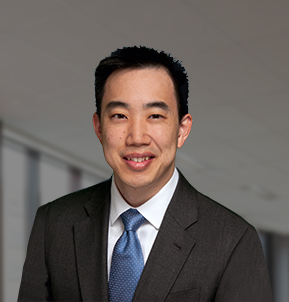
AUTHOR: Bryant S. Ho, MD – Board-Certified Orthopaedic Foot & Ankle Surgeon
Bryant S. Ho, MD is a board-certified orthopaedic surgeon specializing in the operative and non-operative treatment of adolescent and adult foot and ankle disorders. He provides comprehensive, patient-centered care that spans preventative strategies, conservative management, and advanced surgical intervention, with a strong focus on individualized treatment planning and functional recovery.
Credentials & Recognition
Dr. Ho completed his orthopaedic surgery residency at Northwestern Memorial Hospital in Chicago, followed by specialized foot and ankle fellowship training at the University of Rochester in New York. He is actively involved in clinical and biomechanical research, with numerous peer-reviewed publications and book chapters focused on orthopaedic foot and ankle care. His research has been presented internationally across North America, Europe, and Asia, with a particular interest in orthopaedic functional outcome scoring to enhance patient care.
Dr. Ho has been nationally recognized by Newsweek as one of America’s Best Foot and Ankle Surgeons, ranking #13 in the nation. He has also been named a Castle Connolly Top Doctor for 2023, 2024, and 2025, and recognized in the Best in Illinois – Doctor Edition for excellence in orthopaedic medicine.
Clinical Expertise
Dr. Ho treats the full spectrum of foot and ankle conditions, including arthritis, tendon ruptures, deformities, acute trauma and fractures, non-unions, cartilage lesions, and total ankle replacement. He emphasizes evidence-based care and is highly experienced in minimally invasive surgical techniques designed to reduce recovery time, improve mobility, and optimize long-term outcomes.
Medical Disclaimer: This information is for educational purposes only and does not constitute medical advice. For diagnosis and treatment recommendations, please consult with Dr. Ho or another qualified orthopaedic specialist.